Introduction
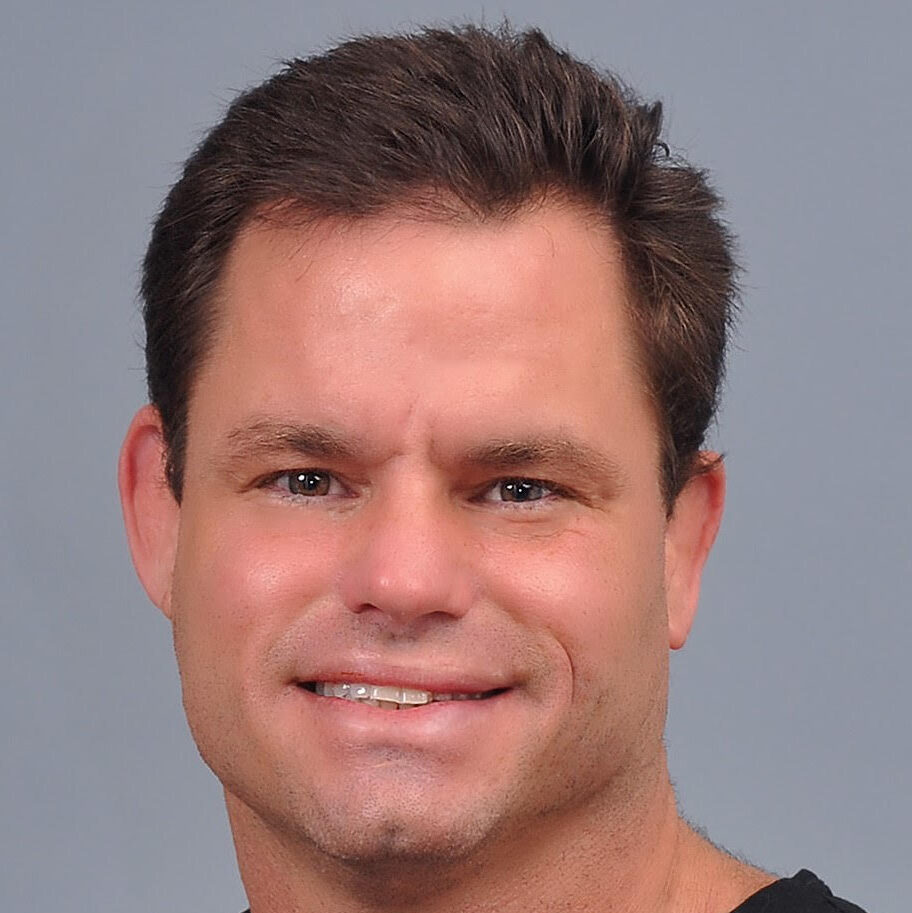
The landscape of medical education and specialized training is undergoing a significant transformation driven by the integration of emerging technologies. For diagnostic radiology scholars, the journey toward mastery is rigorous, requiring the validation of complex skill sets, extensive residency rotations, and peer-reviewed research contributions. Says Dr. Wade Banker, traditionally, the verification of these academic achievements has relied upon fragmented physical documentation and centralized institutional databases. These outdated systems often lead to administrative bottlenecks, delays in credentialing, and the unfortunate risk of document forgery, which can compromise the integrity of the medical profession.
As the demand for highly skilled radiologists increases globally, there is an urgent need for a more robust framework to manage the lifecycle of scholarly endorsements. Smart endowments, powered by blockchain technology, offer a revolutionary solution to this persistent challenge. By transitioning from analog verification to a decentralized, immutable ledger system, the medical community can ensure that every certification, fellowship grant, and diagnostic competency is tracked with absolute precision. This approach not only streamlines the verification process but also elevates the trust factor for healthcare institutions and patients alike.
The Mechanism of Blockchain Verification
At the core of this technological shift is the use of distributed ledger technology, which allows for the creation of secure, tamper-proof records. When a radiology scholar completes a specific rotation or earns a diagnostic accreditation, the event is recorded on a blockchain as a cryptographic token or a smart contract. Because the data is stored across a decentralized network, it is impossible for unauthorized entities to alter the record once it has been validated. This provides an unprecedented level of transparency and security that surpasses traditional database management systems.
Furthermore, these records are inherently time-stamped and linked to the specific identity of the scholar and the authorizing institution. By eliminating the middleman in the verification process, institutions can instantly authenticate a scholar’s background without requesting physical transcripts or contacting third-party registrars. This automated verification loop drastically reduces the administrative burden on residency programs and fellowship directors, allowing them to focus their resources on clinical mentorship rather than clerical oversight.
Streamlining Professional Endorsements
Smart endowments facilitate a seamless flow of professional credentials, especially concerning scholarships and grants. When a scholarship is awarded to a promising radiology researcher, the terms of the endowment can be embedded directly into a smart contract. Once the scholar meets predefined milestones, such as publishing a peer-reviewed paper or completing a complex diagnostic study, the funds are automatically released. This programmable approach to educational financing ensures that endowments are used exactly as intended, fostering greater accountability and transparency between donors and recipients.
In addition to financial management, these digital endorsements serve as a permanent digital portfolio for the scholar. Throughout their career, a diagnostic radiologist can accumulate verified credentials that are recognized globally, regardless of geographical boundaries. This portability is particularly beneficial for scholars participating in international exchange programs or seeking employment in diverse healthcare environments. By standardizing the verification of diagnostic expertise, blockchain ensures that a scholar’s hard-earned accomplishments are portable, verifiable, and perpetually accessible.
Enhancing Trust and Global Standardization
The implementation of blockchain-backed verification addresses the pressing need for global standardization in diagnostic radiology. As diagnostic imaging techniques evolve with artificial intelligence and advanced modalities, the criteria for competency continue to shift. A blockchain-based system allows professional bodies to update certification requirements in real time, ensuring that the endorsements held by scholars always reflect current medical best practices. This dynamic standardization helps maintain high quality of care, regardless of where the radiologist completed their primary training.
Moreover, the use of blockchain mitigates the risks associated with the globalization of medical education. As healthcare systems become increasingly integrated, the movement of professionals across borders necessitates a common language of verification. By adopting an immutable, decentralized ledger, the international medical community can create a trusted infrastructure that validates skills and certifications across different legal jurisdictions. This creates a foundation of trust that protects patients and ensures that diagnostic excellence is recognized and upheld universally.
Conclusion
The adoption of smart endowments and blockchain verification represents a critical evolution for the field of diagnostic radiology. By replacing legacy systems with secure, automated, and transparent digital frameworks, we can ensure that the next generation of scholars is supported by a system that values accuracy and efficiency. This technological leap not only secures the academic history of individual radiologists but also enhances the overall integrity of medical credentialing on a global scale.
As we look toward the future, the integration of these tools will become a standard requirement for maintaining professional excellence. Educational institutions, professional societies, and regulatory boards must collaborate to implement these blockchain solutions to ensure that the process of becoming and remaining a diagnostic specialist is as rigorous and reliable as the medicine itself. Embracing this innovation will ultimately lead to improved patient outcomes and a more streamlined professional journey for the radiology leaders of tomorrow.
